Introduction
In Australia, the value of having actually an Automated External Defibrillator (AED) all set can not be overemphasized. Sudden cardiac arrest can strike anybody, anywhere, at any moment, and being prepared can conserve lives. Nonetheless, possessing an AED is just the start; proper upkeep and battery treatment are important components that ensure these life-saving tools operate ideally when needed.
Keeping your AED all set includes comprehending its elements, including battery upkeep, which plays a considerable function in the device's effectiveness. This short article intends to explore essential battery upkeep suggestions for Australians while likewise offering understandings right into AED use, legislation bordering defibrillators, and training resources readily available in Australia.
Automated Exterior Defibrillator Explained Australia
Understanding AEDs
An Automated External Defibrillator (AED) is a mobile tool designed to treat people experiencing abrupt heart attack. These tools assess the heart's rhythm and can deliver an electric shock to restore normality.
How Does an AED Work?
When connected to a person via sticky electrodes, the AED analyzes the heart's rhythm and establishes whether defibrillation is required. It provides clear sound and aesthetic motivates to guide customers via the process.

Importance of Accessibility
In Australian neighborhoods, having available public AED areas can substantially improve survival rates throughout cardiac emergencies. This access ensures that spectators can rapidly recover the tool when every second counts.
How to Use AED Step by Step Australia
Step 1: Call Emergency Situation Services
Before using an AED, it's important to call emergency solutions promptly. This ensures professional help is on its way while you offer assistance.
Step 2: Activate the AED
Once you have the tool, turn it on. Most versions will certainly offer distinct guidelines leading you through each step.
Step 3: Connect Electrodes
Open the individual's tee shirt and affix the sticky electrodes as indicated on the pads. Make sure correct placement-- one pad takes place the upper right breast, while the various other is positioned on the lower left side.
Step 4: Analyze Heart Rhythm
Allow the AED to analyze the heart rhythm. Make certain nobody touches the person during this time.
Step 5: Provide Shock if Advised
If a shock is encouraged, eliminate everybody from contact with the patient and press the shock button when prompted.
Step 6: Continue CPR as Directed
After providing a shock or if no shock is suggested, proceed carrying out CPR until emergency services arrive.
AED and CPR With each other Australia
The Harmony Between AED and CPR
Combining CPR with an AED optimizes survival chances throughout a cardiac arrest situation. While CPR keeps blood circulation to essential body organs, utilizing an AED restores regular heart rhythms.
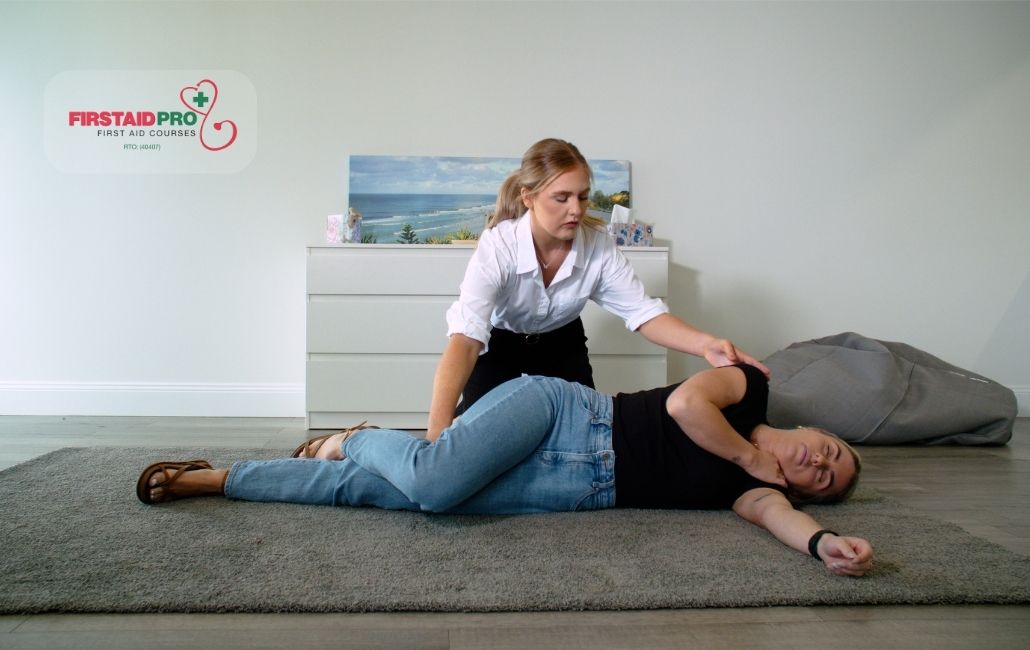
Importance of Training in Both Areas
Understanding just how to perform both CPR and utilize an AED appropriately increases self-confidence in emergency situations. Enrolling in defibrillator training courses available throughout Australia improves skills significantly.
AED Usage on Children Australia
Pediatric Considerations for AED Use
While grown-up pads can be made use of on youngsters over 8 years of ages or weighing greater than 25 kg, particular pediatric pads are advised for younger children.
Special Guidelines for Children
If you're utilizing an AED on a youngster or infant:
- Ensure proper pad placement. Follow details directions supplied by pediatric guidelines concerning shock delivery.
Always get in touch with neighborhood protocols for utilizing an Automated External Defibrillator clarified particularly for kids in Australia.
AED Battery Maintenance Australia
Regular Battery Checks
Regularly check your AED's battery condition sign-- most gadgets have clear signs revealing whether batteries are working optimally or require replacement.
Replacement Schedule
Typically, you need to change your AED battery every two to 5 years relying on usage frequency and maker guidelines.
|Type|Substitute Regularity|| --------------------|----------------------|| Common Battery|Every 2-5 years|| Lithium Battery|Inspect each year|
Storing Batteries Correctly
Store batteries in a great, completely dry location away from straight sunshine or severe temperature levels to extend their life expectancy effectively.
Workplace AED Demands Australia
Legal Obligations for Businesses
Under Australian law, companies are called for to examine threats associated with sudden cardiac arrests in their work environment environments. This includes having available emergency treatment tools like an AED.
Implementing Workplace Policies
Developing plans surrounding emergency treatment reaction plans-- consisting of training team on just how to make use of an AED-- makes sure that workplace security methods are effective.
Public AED Locations Australia
Mapping Out Public Access Points
Various neighborhood efforts have actually focused on drawing up public accessibility factors where individuals can find nearby Automated External Defibrillators explained plainly on-line or with mobile apps.
|City|Public Locations|| ---------------------|--------------------------------------|| Sydney|Parks & & Shopping Centres|| Melbourne|Train Stations & & Arenas|| Brisbane|Airports & & Area Hubs|
This availability equips people with expertise concerning where they can situate these important devices promptly during emergencies.
Defibrillator Training Training courses Australia
Overview of Available Courses
Training programs are crucial for instructing individuals just how to run an Automated External Defibrillator efficiently while also including mouth-to-mouth resuscitation techniques.
Course Providers
Several organizations use these training programs throughout Australia:
- St John Ambulance Red Cross Local Health Departments
Each program covers crucial skills tailored for various target markets ranging from workplace setups to community groups.
Defibrillator Regulation Australia
National Guidelines
Australian regulation relating to defibrillators primarily focuses first aid courses certification on ensuring access within public spaces while advertising neighborhood recognition of their uses and benefits.
Key Legislation Factors:
- Accessibility regulations needing public places such as institutions and shopping center to have defibrillators easily available. Encouragement of area education and learning programs about unexpected cardiac arrest management making use of both CPR and AEDs.
Choosing Right AED Australia
Factors To Take into consideration When Picking An AED
When selecting an Automated External Defibrillator explained within your atmosphere:
User-Friendliness - Ensure it has clear instructions. Portability - Take into consideration weight if it requires relocating frequently. Cost-Benefit Analysis - Assess rates versus prospective lifesaving benefits. Brand Reputation - Research study assesses regarding dependability from other users.Selecting intelligently can guarantee that whatever circumstance occurs down under; you're well-prepared!
Keeping Your AED Ready: Necessary Battery Upkeep Tips for Australians
Maintaining your Automated External Defibrillator's battery is important for its functional preparedness during emergencies. Regular evaluations not only prolong battery life but likewise guarantee that you're outfitted with totally functional devices when it matters most-- this can mean life or death!
Remember constantly to follow maker guidelines worrying storage space conditions; keep your device clean from dirt build-up by cleaning surface areas regularly without destructive parts inside! In addition-- it's sensible technique never ever ignore examining expiry days either!
FAQs About Maintaining Your AED Ready in Australia
Q1: Just how often should I check my AED? A1: It's a good idea to check your Automated External Defibrillator month-to-month or according to maker referrals for ideal performance checks!

Q2: Where can I take a defibrillator training course? A2: Several organizations provide training courses across different areas including St John Rescue; check neighborhood wellness departments too!
Q3: What takes place if my battery expires? A3: If your battery ends or shows low standing signs-- replace it immediately! A non-functional system could lead put lives at risk during emergencies!
Q4: Exist legal needs for offices regarding defibrillators? A4: Yes! Australian regulation mandates that businesses evaluate dangers relevant sudden heart attack incidents making certain adequate first-aid procedures including easily accessible defibrillation equipment!
Q5: Can I make use of grown-up pads on children? A5: Yes-- yet only if they weigh more than 25 kg; otherwise pediatric-specific pads ought to be utilized due effectively adhering safety and security criteria described by local health and wellness authorities!
Q6: What kinds of environments need openly accessible defibs? A6: Locations like colleges parks shopping centers stadiums and so on, must have simple gain access to factors making certain everyone recognizes where aid exists within reach when needed most!
Conclusion
In conclusion, maintaining your Automated External Defibrillator all set goes beyond simple possession; it needs ongoing commitment towards maintenance techniques guaranteeing its capability continues to be intact for unpredicted scenarios developing unexpectedly! By accepting normal checks focusing specifically upon battery status recognizing just how critical this role plays-- also amidst turmoil-- you stand far better ready conserving lives not simply today but well into future opportunities too! Constantly bear in mind-- comprehensive first aid training the most effective prep work comes from knowledge used proactively as opposed to reactively when secs really count!
First Aid Pro | First Aid Course Perth (RTO 31124) is one of Australia’s leading providers of accredited First Aid and CPR training. We specialise in Basic Life Support, CPR & First Aid, NDIS HISS, AED, and many other accredited courses. Our training is both convenient and comprehensive, combining online and face-to-face learning options to suit your needs. Keep your first aid certificates up to date with same-day certification upon completion. Plus, find a lower price, and we’ll instantly beat it by 10%! Conveniently located at 195 Adelaide Terrace, Perth, WA 6004. Visit our website for course dates, directions and parking details.
First Aid Pro | First Aid Course Perth (RTO 31124) is a nationally recognised leader in First Aid and CPR training. Our Perth training centre delivers accredited courses including CPR, Basic Life Support, AED, NDIS High Intensity Support Skills (HISS), and comprehensive First Aid certifications. We make training flexible and convenient with a blend of online learning and practical, face-to-face classes. Get same-day certification so you can stay compliant and confident in emergencies. Plus, with our Price Beat Guarantee, if you find a lower price, we’ll beat it by 10% on the spot. Located at 195 Adelaide Terrace, Perth, WA 6004, our venue is central, easy to access, and designed for a great learning experience. Visit our website to check course dates, directions, and parking details.